Quran Gallery Category
Articles
Longer studies: one topic followed through the sources until it settles.
258 essays
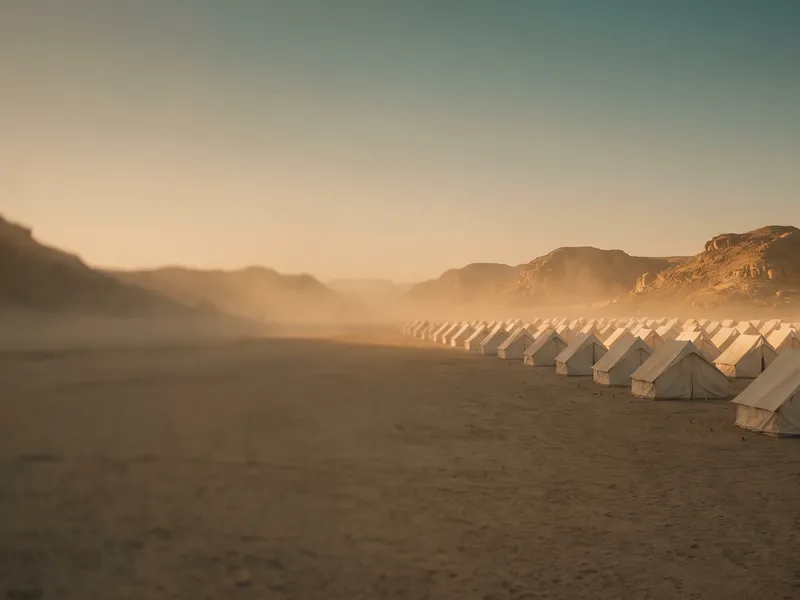
Articles The Thirteen Days of Dhul Hijjah: What Each One Asks of You at Home The "first ten days of Dhul Hijjah" usually arrive as one undated list — fast, recite takbīr, don't cut your nails, pray ʿEid. This lays the same thirteen days out as a calendar instead, for the reader who isn't making the journey this year: each day carries only what a source actually assigns to it. A Journey Through Hajj· Part 10 of 18 A tent at Namirah: the Day of ʿArafah, hour by hour The ninth of Dhū al-Ḥijjah is preserved as a timetable, not a summary — which camp, which prayers, which direction he faced, and what the sky looked like when he finally moved. Retracing the day from the reports that record it. Articles The Days of Tashrīq: A Name Nobody Agrees On, and a Fast Nobody Is Allowed to Keep The 11th, 12th and 13th of Dhū al-Ḥijjah carry a name the philologists never settled on, a fast that is forbidden with exactly one narrow exception, and a sacrifice window that closes on a different day depending on which school you ask. None of it requires standing anywhere. A Journey Through Hajj· Part 11 of 18 The Farewell Sermon: what it actually says, and where each line comes from The most quoted speech in Islamic history is also one of the most loosely quoted. Taking the Farewell Sermon apart clause by clause and putting each one back on the printed page it was narrated from. Articles The Secret of Du'a: Come to Allah with Nothing to Offer but Need A fugitive prophet begging for "whatever good" a stranger might spare, and a dust-covered traveller crying "O Lord, O Lord" with his hands in the air — two pictures of what it actually looks like to have nothing left to bring Allah but need itself. A Journey Through Hajj· Part 12 of 18 The Day of ʿArafah: freedom from the Fire, and which reports actually promise it ʿArafah carries the largest promise attached to any day in the calendar — and the reports carrying it are not of equal strength. What Ṣaḥīḥ Muslim actually says, what al-Tirmidhī says about his own most-quoted ʿArafah hadith, and two famous reports we searched for and did not use. Articles Ten Days, No Itinerary: What Dhul Hijjah Actually Asks of You Most of what gets written about the first ten days of Dhul Hijjah describes a pilgrimage most readers will never make. The sources name a much shorter, stranger list for everyone else — fasting, takbir, a sacrifice paid for from a distance, charity, the Qur'an, and the same obligations you already had — and give a reason, not just an instruction, for each one. A Journey Through Hajj· Part 13 of 18 Muzdalifah: the night the pilgrimage tells you to lie down Between the standing at ʿArafah and the morning at Minā sits a night on open ground that the narrations describe with one verb — he lay down. What the sources actually record about Muzdalifah: two prayers, a standing before sunrise, a concession for the weak, and a handful of very small stones. Articles The Ten Days of Dhū al-Ḥijjah: What the Evidence Actually Says "The best ten days of the year" is repeated so often it starts to sound like folklore. It rests on an oath in the Qur'an and a single prophetic report — read here clause by clause, including the point where the commentators disagree with each other about which ten nights are even being sworn by. A Journey Through Hajj· Part 14 of 18 How iḥrām ends: seven pebbles, a sacrifice, and a shaved head On the tenth of Dhū al-Ḥijjah a pilgrim stones, sacrifices, shaves and steps out of iḥrām — four acts with a fixed order, a documented start time, and a supplication whose exact count the sources preserve in more than one form. A Journey Through Hajj· Part 15 of 18 The Day of Naḥr: the greatest of days, and what actually reaches Allah A narration with a sound chain calls the tenth of Dhū al-Ḥijjah the greatest of days in Allah's sight. The Qur'ān is equally direct about why — and about what, out of everything offered that day, actually reaches Him. A Journey Through Hajj· Part 16 of 18 Eating, drinking and remembrance: what the Days of Tashrīq are for The three days after the sacrifice are the emptiest days in the pilgrim's calendar and the ones the sources fill most deliberately — a fixed hour for stoning, nights that belong to Minā, a takbīr that made the valley ring, and a prohibition on fasting with exactly one exception. A Journey Through Hajj· Part 17 of 18 Ṭawāf al-Wadāʿ: the House is the last thing you touch The farewell circuit is defined by position, not by sentiment: of everything a pilgrim does in Makkah, this must come last. One exemption was granted, one argument it started, and one distinction most retellings collapse. A Journey Through Hajj· Part 18 of 18 Ḥajj mabrūr: what an accepted pilgrimage leaves behind Al-Ḥasan al-Baṣrī was asked how a pilgrim can tell that a Hajj was accepted, and did not answer with a feeling. What the sources actually promise for a ḥajj mabrūr, and why the earliest scholars measured it months after the rites were over. Post Hajj A Ḥajj That Counts: What the Prophet Named as the Sign of Acceptance Was your Ḥajj accepted? Two hadiths answer with a test rather than a feeling: one graded on what you kept out of your iḥrām, the other on what you now do for the people around you on any ordinary day since. Post Hajj Take Account of Yourself Before You Are Taken to Account A caliph once reduced an entire discipline to two verbs: count yourself, and weigh yourself, before someone else does both to you on a day you cannot postpone. A hadith names exactly what gets counted — age, knowledge, wealth, and body — before a single foot is allowed to move. What doing that counting now, voluntarily, has to do with being handed your own record later and told to read it yourself. Muharram Twelve Months, One Called by Allah's Own Name The Qur'an sets four months apart from the other eight and calls that division itself "the correct religion." One of the four goes further still — a hadith gives it a name no other month in the calendar carries: the month of Allah. What that second distinction rests on, and why the Prophet, peace and blessings be upon him, answered a direct question about it by naming a fast. Muharram The Fast He Never Finished: What ʿĀshūrāʾ Still Asks ʿĀshūrāʾ was already sacred before Islam, became obligatory in Madinah, and then lost that obligation the moment Ramadan was legislated — yet the Prophet kept treating it as if almost nothing outranked it. What the hadith actually preserve about that day, and the ninth-day plan death cut short.